
About RSD Resilience
Empowering Adults with Rejection Sensitive Dysphoria to Move from Emotional Spirals to Emotional Resilience
At RSD Resilience, we believe that people living with Rejection Sensitive Dysphoria deserve more than survival. They deserve understanding, practical tools, meaningful relationships, and the confidence to live fully without fear of rejection controlling their lives.
We exist to provide education, support, and evidence-informed strategies that help individuals understand RSD, regulate emotional overwhelm, and build lasting resilience.
Why We Created RSD Resilience
For many people, discovering Rejection Sensitive Dysphoria is life-changing.
Suddenly, years of emotional pain begin to make sense.
The overwhelming reactions to criticism.
The fear of disappointing others.
The people-pleasing.
The perfectionism.
The avoidance.
The emotional spirals that seem impossible to stop.
Many people spend decades believing they are "too sensitive," "too emotional," or somehow fundamentally flawed.
The truth is far different.
RSD is a real neurological phenomenon that affects millions of people, particularly those with ADHD. Yet despite its profound impact on relationships, careers, self-esteem, and quality of life, many people never receive the education or support they need.
RSD Resilience was created to change that.
Our mission is simple:
To empower people to understand their brains, calm their nervous systems, and build the skills necessary to thrive—not merely survive.
WHAT WE BELIEVE
At The RSD Mastery Institute, we believe:
✓ You are not broken.
✓ You are not too sensitive.
✓ Emotional resilience can be learned.
✓ Understanding creates empowerment.
✓ Recovery begins with self-compassion, not self-criticism.
✓ Lasting change happens through consistent practice, not perfection.
✓ Your worth is not determined by other people's approval.
✓ You are capable of far more growth and healing than you realize.
I'M MOLLY
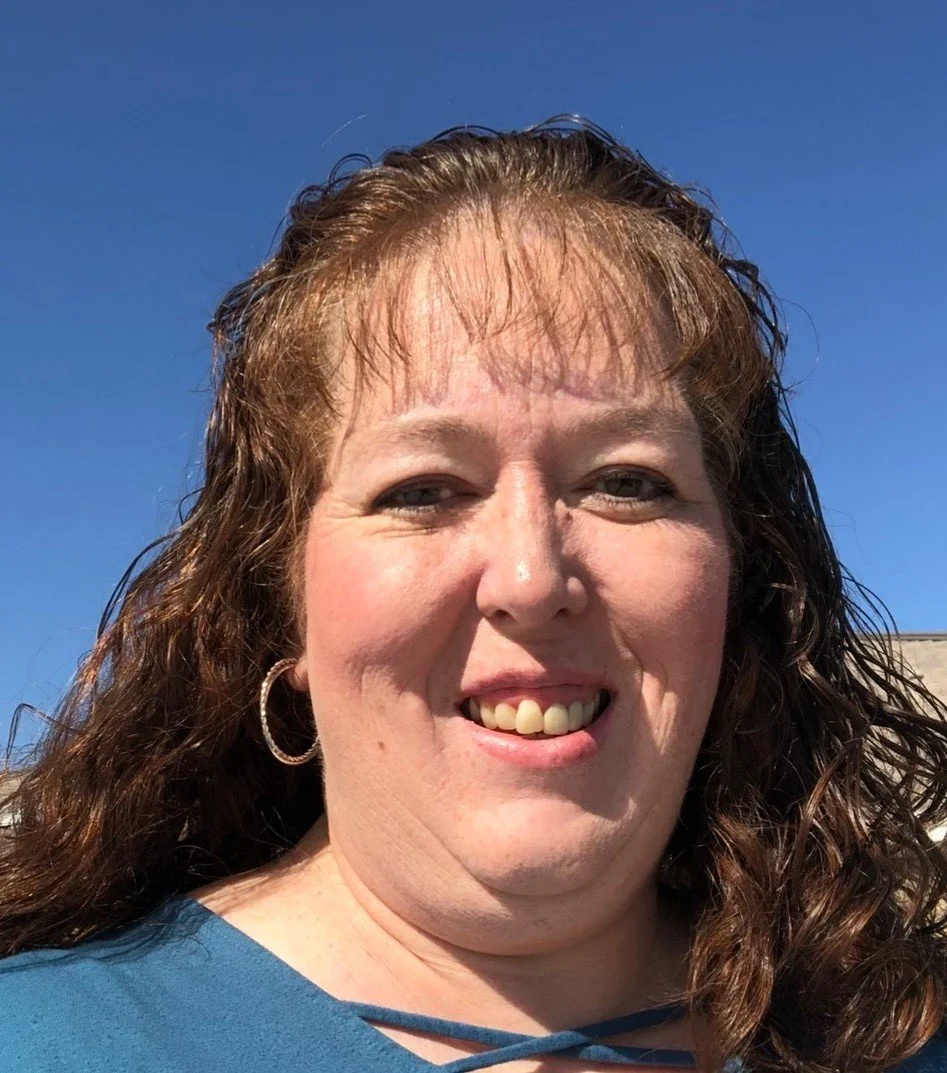
I am a Psychiatric Mental Health Nurse Practitioner, Certified Brain Health Coach, educator, and founder of RSD Resilience.
For more than seven years, I have worked with individuals navigating emotional challenges, ADHD, trauma, anxiety, depression, and the complex realities of everyday life. Through my clinical work, I repeatedly observed a pattern that was often misunderstood but deeply impactful: the intense emotional pain associated with Rejection Sensitive Dysphoria.
I also understand RSD on a personal level.
When RSD Finally Had a Name
When I first learned about rejection sensitivity dysphoria, I had a feeling I now hear described by so many other people: recognition.
It was that moment of thinking, Wait...there's a name for this? Other people experience this too?
Suddenly, I could look back over my life and see a pattern that I had never fully understood before.
I could see the times criticism felt devastating instead of simply uncomfortable. The relationships where fear of rejection influenced how I communicated, reacted, or tried to protect myself. The opportunities I didn't pursue because putting myself out there meant risking judgment or failure.
I could see how often rejection sensitivity had made my world smaller.
Professionally, I've accomplished things I'm proud of. But there were also risks I didn't take, ideas I didn't pursue, and times I held myself back—not because I wasn't capable, but because being visible meant opening myself up to the possibility of criticism or rejection.
And then I began seeing the same patterns much closer to home.
My husband and children have ADHD, and as I learned more about rejection sensitivity, I began recognizing patterns within our family that suddenly made so much more sense.
We loved each other deeply. But when several people in the same family are highly sensitive to perceived rejection, ordinary disagreements can become something much bigger.
One person's hurt can trigger another person's defensiveness. That defensiveness can feel like rejection, creating another reaction, another misunderstanding, and another layer of hurt.
RSD nearly destroyed our family.
There came a point when I realized that understanding what was happening wasn't enough. I needed to know what we could actually do about it.
So I became almost obsessed with learning.
I wanted to understand what happened between the trigger and the reaction. Why our minds could become so certain about what someone else was thinking or feeling. Why reassurance sometimes helped and sometimes didn't. Why we reacted in ways that protected us in the moment but damaged the relationships we were desperately trying to protect.
Most importantly, I wanted to know how we could interrupt those patterns.
I began learning, experimenting, practicing, and finding ways to manage rejection sensitivity in myself while helping my family develop better ways of navigating it together.
Learning to manage these patterns changed our marriage and our family.
Not because rejection sensitivity disappeared.
It didn't.
We still get triggered. We still misunderstand each other. We still have moments when emotions become bigger than the situation in front of us.
But now we understand what's happening.
We have language for it. We recognize patterns sooner. We have tools for slowing things down, questioning the stories our minds are creating, communicating differently, repairing after difficult moments, and finding our way back to one another.
That experience became the heart of RSD Resilience.
I don't believe resilience means reaching a point where rejection never hurts again.
I believe it means understanding yourself well enough—and developing enough skills and support—that rejection doesn't have to keep deciding what happens next.
And I created RSD Resilience because I want other people who have spent years wondering “Why does this affect me so much?” to experience that same moment of recognition I did:
There is a pattern here. You can learn to recognize it. And you can learn new ways to move through it.
Ready to Start Feeling Better?
Fill out our quick form and let’s find the right support plan together.